Subtle Vision Changes That Are Easy to Dismiss
Cataracts usually develop gradually, which means early symptoms can be easy to overlook. Many patients assume their vision is simply changing due to aging or the need for new glasses. Before receiving a formal diagnosis, patients often notice small visual changes that slowly become more noticeable over time. Recognizing these early changes can help patients seek an eye evaluation sooner and better understand what may be affecting their vision.
At Soroudi Advanced LASIK & Eye Centers, we often hear from patients who didn’t realize their blurry vision or night vision problems were actually eye cataracts. Because the lens clouds over such a long period, your brain often adapts to the decrease in clarity, making the transition feel normal until it begins to interfere with your daily life.
Why Cataracts Develop Gradually
Cataracts form when proteins within the eye’s natural lens begin to break down and clump together. These changes cause the lens to become cloudy over time. Because the process typically occurs slowly, symptoms often appear subtly before becoming more significant. Many patients adapt to vision changes before realizing something is affecting their eyesight.
Early Vision Changes Patients Often Notice
Increasing Difficulty Reading Fine Print
Small text may appear less sharp even with glasses. You might find yourself holding a book further away or moving closer to a lamp to see the words. Reading in dim lighting may become more difficult as the cloudy lens prevents enough light from reaching the back of the eye.
Colors Appear Less Vibrant
Colors may look faded or slightly yellowed. This happens because the cataract acts like a yellow or brownish filter over your vision. Whites may appear dull or off-tone, and you might notice that a blue shirt looks more like a dark gray or green. Often, patients only realize how much color they have lost after their cataract surgery, when the world suddenly looks bright and colorful again.
Blurry or Hazy Vision
Vision may appear slightly foggy or soft. Objects may lack the crisp clarity patients previously experienced. This blurriness is different from being nearsighted or farsighted; it feels more like looking through a piece of wax paper. Even with the right prescription, the image remains fuzzy.
Also Read: How Cataracts Affect Your Vision & When to Seek Treatment
Changes in Night Vision
Glare From Headlights
Bright lights may seem more intense than before. When driving at night, the light from oncoming traffic can scatter as it hits the cataract, creating a blinding effect. This glare from headlights is one of the most common reasons patients in Los Angeles seek a cataract diagnosis.
Halos Around Lights
Circular rings of light may appear around lamps or headlights. These visual effects may become more noticeable in darker environments. If you start seeing glowing rings around streetlights, it is a strong indicator that the light is being distorted by a cloudy lens.
Increased Difficulty Driving After Dark
Reduced contrast sensitivity may make nighttime driving more challenging. It becomes harder to distinguish the edge of the road, spot pedestrians, or read street signs in the dark. Many people begin to limit their driving to daylight hours to avoid these night vision problems.
Frequent Changes in Eyeglass Prescriptions
Patients may notice their glasses prescriptions changing more often than expected. Vision may improve briefly with new glasses, but decline again over time. These fluctuations can sometimes be an early signal that the eye’s natural lens is changing.
In some cases, a developing cataract can cause second sight, in which your near vision temporarily improves as the lens swells and changes its refractive power. However, this is usually temporary and eventually gives way to more significant clouding. If you find yourself visiting the optometrist every few months for a new pair of lenses, it may be time to get a cataract evaluation.
Increased Sensitivity to Bright Light
Sunlight may feel more uncomfortable than it used to. Bright indoor lighting may cause visual discomfort or a washed-out feeling in your vision. Patients may find themselves squinting more frequently outdoors or reaching for sunglasses even on overcast days. This sensitivity occurs because the cataract scatters light inside the eye rather than focusing it cleanly on the retina.
Difficulty With Everyday Visual Tasks
- Reading menus or phone screens may require brighter lighting than other parts of the table.
- Watching television may feel less clear from a distance, even with your favorite pair of glasses.
- Recognizing faces from across a room or across the street may become more difficult as facial features lose their definition.
When Vision Changes Begin Affecting Daily Activities
- Difficulty performing routine activities that once felt easy, such as sewing, woodworking, or cooking.
- Increased reliance on brighter lighting for reading or working on a computer.
- Avoiding night driving due to glare or reduced visibility, which can lead to a loss of independence.
When to consider cataract surgery? When you start to say “no” to social invitations or hobbies because you are worried about your vision, you should ask how to tell if you have cataracts. It is no longer just a minor change; it is a lifestyle limitation.
Also Read: Living with Cataracts: What an Ophthalmologist Wants You to Know
Why An Eye Examination Is Important
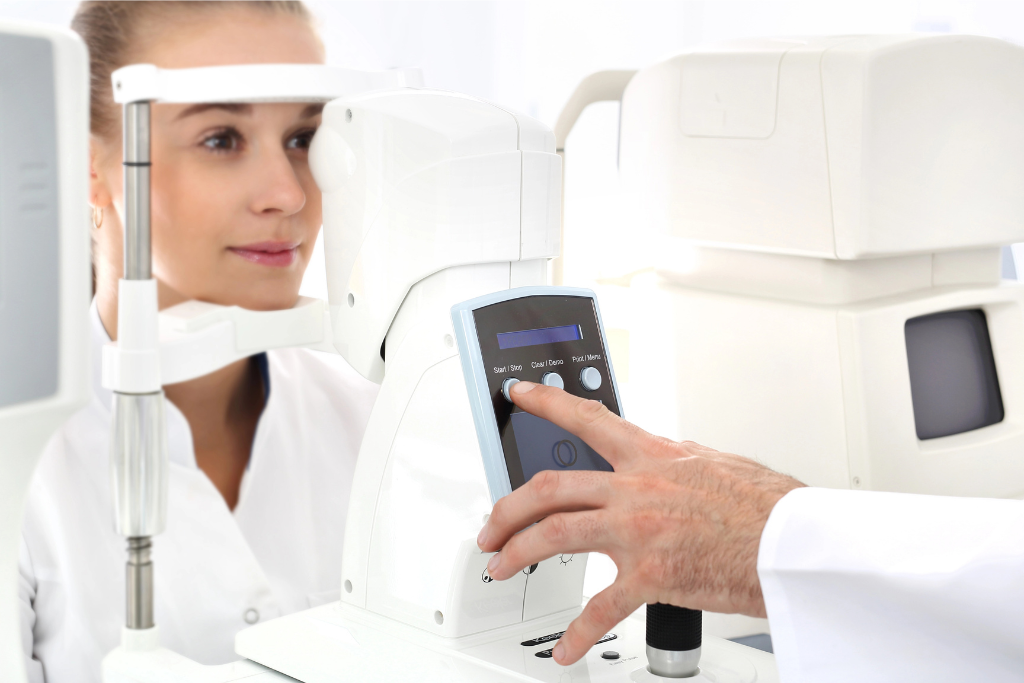
Cataracts can only be confirmed through a formal exam. While you might suspect you have them based on cataract symptoms, only an ophthalmologist can look inside the eye to see the state of your lens. At Soroudi Advanced LASIK & Eye Centers, our doctors use specialized equipment to see the density and location of the clouding.
An early evaluation helps rule out other possible causes of vision changes, such as glaucoma or macular degeneration. Because symptoms of cataracts in one eye can sometimes be more advanced than in the other, a professional can check the balance between your eyes and track the progression over time.
What Happens During a Cataract Evaluation
When you visit our office for a dilated eye exam for cataracts, we go beyond a simple vision chart.
- Vision testing: We measure your clarity at various distances to see how much the cataract is dulling your sight.
- Examination of the eye’s natural lens: Using a slit-lamp microscope, the doctor examines the lens to check the type and size of the cataract.
- Assessment of overall eye health: We check intraocular pressure and the health of your retina.
- Discussion of symptoms: We talk about how your vision changes affect your daily life and whether you are struggling with things like driving or reading.
This allows us to provide a clear cataract diagnosis and treatment options in Los Angeles that fit your specific needs.
Understanding When Cataracts Require Treatment
Not all cataracts require immediate treatment. Many patients continue normal activities for years with mild cataracts. If your vision is still functional and you can safely drive and perform your job, we may simply monitor the condition during annual exams.
Non-surgical management of cataracts includes using brighter lights at home, wearing anti-glare sunglasses, and updating your eyeglass prescription as needed. However, these are temporary fixes. Cataract surgery is eventually required because the lens will continue to cloud over time. Treatment decisions often depend on how much vision changes affect your quality of life. If you can no longer do the things you love, it may be time to speak with the best cataract surgeon in Los Angeles.
Also Read: Age and Cataracts: When Should You Consider Surgery?
Conclusion: Paying Attention to Early Vision Changes
Cataracts typically develop slowly, which means early symptoms may seem subtle at first. Gradual changes in vision, color perception, and night driving ability are often the earliest signs patients notice. By paying attention to these shifts and seeking a dilated eye exam for cataracts when they arise, you can stay ahead of the condition.
Whether you are dealing with glare from headlights or simply feel like the world has lost its brightness, help is available. A formal examination can determine whether cataracts or another condition may be affecting your vision.