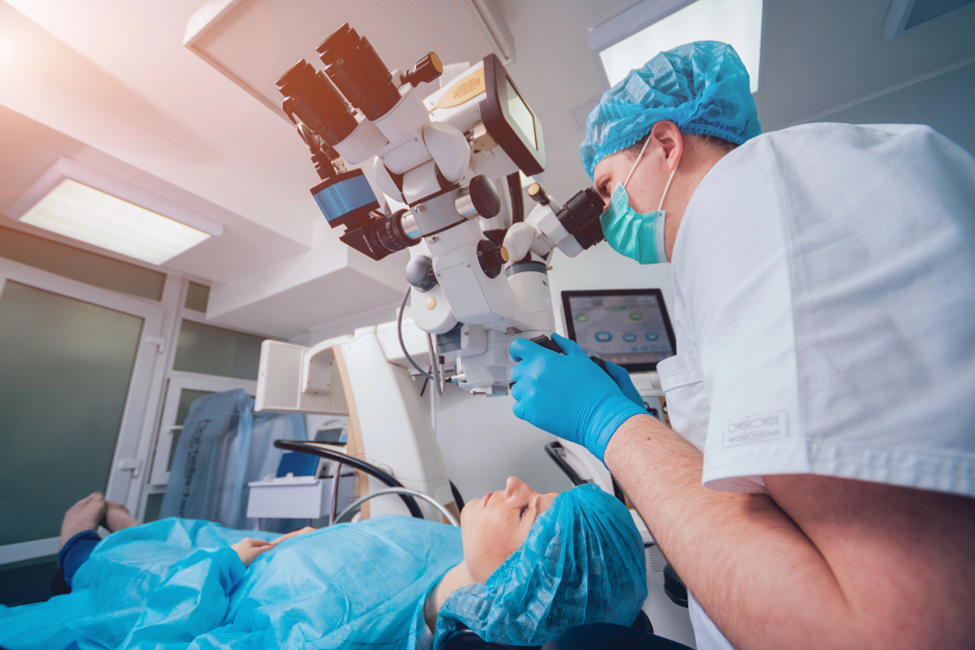
Why Not Everyone Is a LASIK Candidate
The appeal of LASIK is undeniable. Because the procedure is so popular and successful, many people assume they qualify by default. However, a screening exam matters more than an online quiz. While a quick questionnaire might tell you that your prescription is within the treatable range, it cannot measure the physical health of your eyes. Reframing “disqualified” as “protected” rather than rejected is helpful. If a surgeon tells you that you are not a fit for LASIK Los Angeles, they are acting in your best interest to prevent long-term complications.
LASIK Candidate Requirements Explained
LASIK involves using a laser to reshape the cornea, the clear front window of the eye. By changing the curve of the cornea, light can focus accurately on the retina.
Corneal health and eye stability are the main pillars of a successful surgery. Because the process involves creating a thin flap and removing a small amount of tissue, your eye must retain sufficient structural integrity afterward. There is a difference between being temporarily and permanently ineligible. Some barriers are lifestyle-based or related to current health status, while others are built into your eye’s anatomy.
Eye Conditions That Can Disqualify You
Several factors can lead to LASIK disqualifications. These are often discovered during your first visit to a specialist.
Thin or Irregular Corneas
Corneal thickness is a primary factor in LASIK eligibility. Since the laser removes tissue to correct your focus, there must be enough residual tissue left to keep the eye stable. If your corneas are naturally too thin, removing tissue could lead to bulging or vision distortion. Conditions like keratoconus, which causes corneal instability, are an automatic barrier. However, when PRK or other alternatives are available, you might still achieve clear eyesight without the creation of a corneal flap.
Unstable Vision
LASIK surgery limitations often center on the stability of your prescription. If your vision is still changing, the results of the surgery will not last. Most surgeons look for prescription changes in the past 12–24 months. Younger patients, particularly those in their late teens or early twenties, often experience ongoing eye development. If your vision is still shifting, the surgery is usually postponed until things settle.
Severe Dry Eye
Dry eyes are a common reason why LASIK may not be right for you. The procedure can temporarily worsen dryness by affecting the nerves that signal tear production. Doctors look for symptoms like chronic stinging, redness, or a gritty feeling. In some cases, treating the dry eye first with specialized drops or procedures can make LASIK possible later.
Keratoconus and Corneal Diseases
Keratoconus is a condition where the cornea thins and gradually bulges outward into a cone shape. This is one of the most significant eye conditions that disqualify LASIK surgery. Because LASIK weakens the cornea slightly, performing it on a keratoconus patient can accelerate damage. Safer alternatives like ICL (Implantable Collamer Lens), or corneal cross-linking are often suggested instead.
Cataracts or Early Lens Changes
LASIK does not fix cloudy lenses. If your blurry vision is caused by a cataract, a clouding of the natural lens inside the eye, reshaping the cornea will not help. As we age, cataracts change the treatment plan. In these instances, a lens replacement or cataract surgery makes more sense because it addresses the root of the blurriness rather than just the surface.
Glaucoma or High Eye Pressure
Glaucoma poses risks associated with suction and pressure during the LASIK procedure. Additionally, the steroid drops used during recovery can cause spikes in eye pressure for some. While some patients with very mild, well-controlled glaucoma may still qualify with caution, many surgeons prefer alternative methods to protect the optic nerve.
Autoimmune or Healing Disorders
Conditions like lupus, rheumatoid arthritis, or uncontrolled diabetes can impact how the body recovers. The healing response matters because LASIK relies on the corneal flap sealing quickly and cleanly. The risk varies by severity and how well the condition is managed, but systemic health is always part of the LASIK candidacy conversation.
Pregnancy and Hormonal Changes
Hormones can cause temporary changes in your prescription and alter how your eyes feel. This is why LASIK is postponed, not denied, for pregnant or nursing individuals. Once hormones return to a baseline level and the prescription stabilizes, the procedure becomes safe again.
Also Read: 5 Signs You’re a Good Candidate for LASIK
Conditions That Don’t Always Disqualify LASIK
It is a mistake to assume that any eye issue is a dealbreaker. Modern technology has expanded LASIK requirements, making it available to more people than ever before.
- Mild dry eye: Often manageable with pre-treatment.
- Astigmatism: Most modern lasers handle astigmatism with ease.
- Higher prescriptions: There are limits, yet many high-myopia patients are still candidates.
- Past eye injuries: Surgery may still be possible for certain cases.
“Not a Candidate” Does Not Mean “Out of Options”
If you find yourself facing reasons you do not qualify for LASIK, do not lose hope. “Not a candidate” for one specific procedure does not mean you cannot achieve visual freedom. Many eye surgeons often recommend PRK, which does not require a flap, or ICL. For older patients, Refractive Lens Exchange (RLE) is a popular option. Ophthalmologists customize treatments based on the patient’s individualized needs. The treatment focus remains on restoring visual clarity and safety.
Also Read: Can You Get LASIK After Cataract Surgery or Other Eye Procedures?
What a LASIK Evaluation Really Looks At
A true LASIK evaluation goes far beyond checking your vision for 20/20 status. An ophthalmologist will conduct:
- Corneal mapping: Using topography to see the shape and height of the eye surface.
- Tear film analysis: Measuring the quality and quantity of your tears.
- Retinal health: Checking the back of the eye for any signs of disease.
- Prescription history: Reviewing old records to confirm stability.
- Lifestyle and visual needs: Discussing your work, hobbies, and what you hope to achieve.
Why Self-Screening Is Unreliable
Online quizzes are helpful for general information, but they cannot replace medical imaging or professional evaluation. Many people disqualify themselves unnecessarily because they think their prescription is too bad or they are too old. Conversely, some think they are perfect candidates because they have good health, only to find out they have thin corneas. Only a doctor using specialized diagnostic tools can give you a definitive answer on what disqualifies you from LASIK in Los Angeles.
When to Revisit LASIK in the Future
Sometimes the answer is not right now. If you are deferred, it might be a matter of:
- Treating dry eye first: Improving your ocular surface can change your status.
- Waiting for prescription stability: A year or two of patience can lead to a lifetime of better vision.
- Advances in refractive technology: New lasers and techniques are developed regularly, opening doors for those who were previously told no.
Also Read: Can LASIK Fix Astigmatism? What LA Patients Should Know
Conclusion: The Right Answer Is the Safe One
LASIK success depends on long-term eye health, not just the immediate result. Being disqualified is often protective, not limiting. It prevents you from undergoing a procedure that might compromise your eyesight later. A proper exam at Soroudi Advanced LASIK & Eye Centers opens the door to the best vision path for you, whether that is LASIK or a different advanced procedure. Schedule your consultation today!