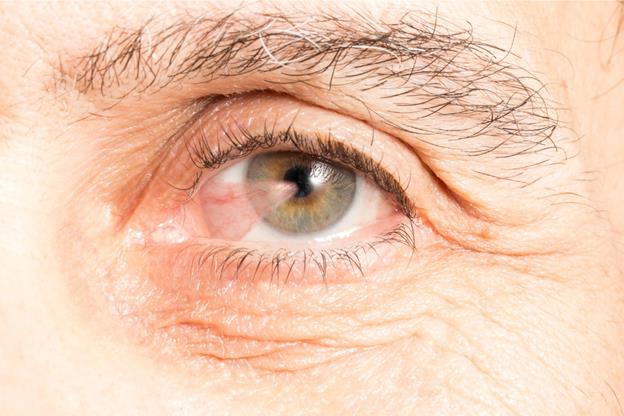
Many people first spot a pterygium while looking in the bathroom mirror. It often appears as a small, slightly raised wedge of tissue on the white part of the eye. Because it usually starts small and may not hurt, the most frequent initial reaction is to view it as a minor blemish or a cosmetic nuisance. You might notice a slight yellowing or a fleshy pink growth and assume it is simply a sign of spending too much time outdoors.
This common belief that pterygium is just cosmetic leads many to delay seeking a professional opinion. However, while the appearance is often what brings a person into the clinic, eye doctors take this condition seriously. What looks like a simple spot can change the shape of your eye and, if left alone, may eventually threaten how clearly you see the world.
What Is Pterygium?
Pterygium, often called surfer’s eye, is a non-cancerous growth of the conjunctiva, which is the clear membrane covering the white part of your eye. This growth typically forms on the side closest to the nose, though it can also appear at the outer corner. It is composed of fleshy tissue and blood vessels, giving it a pink or reddish look.
Several environmental factors contribute to its development:
- UV Exposure: Long-term exposure to sunlight is the primary cause.
- Wind and Dust: Constant irritation from debris can aggravate the ocular surface.
- Dryness: Lack of moisture makes the eye more susceptible to tissue overgrowth.
Because of these factors, the condition is far more frequent in sunny, tropical, or windy climates where the sun’s rays are strongest.
Early Signs Patients Often Ignore
It is easy to dismiss the early indicators of pterygium because they mimic the symptoms of late nights or seasonal allergies. Many patients ignore:
- Redness on the white of the eye: This may come and go, making it seem temporary.
- A small, raised growth: It might look like a callous or a small pimple near the inner corner.
- Irritation or burning: A stinging sensation that people often attribute to tiredness.
- Dry or gritty feeling: The sensation that a piece of sand is stuck in the eye.
- Cosmetic concerns: Simply feeling self-conscious about the eye looking bloodshot or cloudy.
Also Read: When a Red Eye Isn’t Just Dryness: Spotting a Pterygium Early
How Pterygium Can Affect Vision
While it begins on the white of the eye, pterygium is progressive. As it grows, it can move onto the cornea, which is the clear front window of the eye. This is where the risk moves from appearance to function.
As the growth advances, it can pull on the surface of the cornea, causing it to lose its round shape. This leads to distortion of the cornea and astigmatism changes, making images look blurry or stretched. In addition to blurred vision, patients often report increased light sensitivity. In advanced cases, the tissue can grow large enough to cover the pupil, creating a physical obstruction that blocks light from entering the eye entirely.
When Pterygium Becomes More Than Cosmetic
The transition from a cosmetic issue to a functional problem happens when the growth enters a phase of active expansion. You should worry when you notice:
- Growth toward the center of the eye: Any movement toward the iris or pupil is a warning sign.
- Recurrent inflammation: If the eye stays red and angry-looking regardless of rest.
- Interference with contact lenses: The raised bump can make lenses feel uncomfortable or cause them to fit poorly.
- Impact on daily comfort and focus: When the irritation becomes a distraction during work or driving.
- Progressive visual changes: Needing to update your glasses prescription more frequently than usual.
Who Is Most at Risk
Pterygium does not discriminate, but lifestyle and geography play a massive role. Those at the highest risk include:
- Outdoor workers: Farmers, construction workers, and landscapers who face the sun daily.
- Athletes and beachgoers: Surfers, sailors, and runners who deal with reflected UV rays from water or sand.
- People in sunny or windy climates: Living near the equator or in desert regions increases risk.
- Patients with chronic dry eye: A lack of tears means the eye cannot protect itself from irritants.
- Individuals without UV eye protection: Skipping sunglasses or hats allows UV rays to hit the eye directly.
Also Read: UV Protection and Eye Health: Preventing Pterygium Naturally
When to See an Eye Specialist
You do not need to wait until your vision is blurry to seek help. An evaluation is wise if you experience:
- Any visible growth on the eye: Identifying it early helps in tracking its speed.
- Persistent redness or irritation: If over-the-counter drops do not provide relief.
- Vision changes: Any new blurriness or trouble seeing at night.
- Rapid growth: If the tissue seems to be spreading faster than before.
- Discomfort that doesn’t resolve: Constant “foreign body” sensations.
How Pterygium Is Evaluated
When you visit a specialist, the process is straightforward. It begins with a standard eye exam using a slit-lamp microscope to look at the growth in detail. The doctor will perform corneal measurements to see if the growth is warping the shape of your eye. Visual acuity testing checks how well you see at various distances. Finally, the specialist will begin monitoring growth over time by taking photos or measurements to compare during future visits.
Treatment Options
Treatment depends on how much the pterygium is bothering you or affecting your sight.
- Lubricating drops: These help with the gritty feeling and dryness.
- Anti-inflammatory medication: Steroid or non-steroid drops can reduce swelling and redness during flare-ups.
- UV protection strategies: Wearing wrap-around sunglasses and wide-brimmed hats to stop further growth.
- Surgical removal when needed: If vision is threatened or discomfort is high, the tissue can be removed.
- Recovery expectations: Modern surgery is performed on an outpatient basis, and while there is a healing period, most people return to normal activities quickly.
Why Early Evaluation Matters
Taking action early is about more than just looking better in photos. It is about preventing vision distortion before the cornea becomes permanently scarred. By catching it soon, doctors can focus on slowing progression through lifestyle changes and mild medications. This helps in preserving comfort and clarity for years to come. Perhaps most importantly, it allows for treatment before damage occurs, ensuring that, if surgery is needed, it occurs under the best possible conditions.
Conclusion
A pterygium is not always harmless. While it might start as a small spot you only notice in bright light, it has the potential to change your vision forever. Those early signs of redness and grit deserve your attention. Vision changes can be gradual, often happening so slowly that you don’t realize how much you have lost until the growth is advanced. Seeking a professional opinion today is the best way to protect your future vision.
Are you worried about a growth in your eye or experiencing constant redness? Contact Soroudi Advanced LASIK & Eye Centers today to schedule a consultation and learn more about your health.