How Vision Changes After 40
Many people don’t schedule an eye appointment until they notice a problem. While you might have been able to skip annual visits in your younger years, a yearly check-up becomes incredibly important once you pass the age of 40.
Natural changes in our eyes start to become more noticeable. You might find yourself holding a menu further away, experiencing eye fatigue after a long day of reading, or struggling with dryness. These are often the first signs that routine eye care is shifting from a recommendation to a necessity.
This consistent monitoring is the best way to stay ahead of age-related vision changes and, more significantly, the increased risk of potentially serious eye diseases.
Why Eye Exams Become More Important After Age 40
Diagnosing Slow-Developing Eye Diseases
Many serious conditions like glaucoma, cataracts, and macular degeneration can progress silently for years without causing noticeable symptoms. You might not realize your vision is being affected until significant damage has already occurred.
- Glaucoma, often called the “silent thief of sight,” causes gradual damage to the optic nerve. An annual exam can detect subtle pressure changes or nerve damage before permanent vision loss begins.
- Macular Degeneration (AMD) affects central vision. Early detection through retinal screening offers the best opportunity to intervene and slow disease progression.
By seeing your doctor annually, you give them the chance to spot these diseases at their very earliest stage, allowing for timely treatment to preserve your sight.
Tracking Changes in Vision and Refractive Needs
After 40, a condition called presbyopia, the loss of near focusing ability, is inevitable. Refractive needs change more frequently during this time. Yearly updates to your prescription for glasses or contacts are helpful to prevent eye strain, headaches, and general visual discomfort. An out-of-date prescription can make everyday tasks frustrating.
Monitoring Overall Health Through the Eyes
Your eyes are a window to your systemic health. Diseases that affect the body can often show early signs in the retina, giving your ophthalmologist valuable insight into your overall health status.
- Changes in the small blood vessels of the retina (diabetic retinopathy) are a key sign to diabetes.
- Hypertension (High Blood Pressure) and high cholesterol can also cause visible changes in the retinal blood vessels.
- Autoimmune Diseases may present with inflammation or dryness.
Common Eye Conditions That Become More Likely Over 40
- Presbyopia results from the natural hardening of the lens, which makes it harder to focus up close. Beyond simple reading glasses, your doctor can discuss bifocals, trifocals, progressive lenses, or even refractive surgery.
- Dry Eye and Meibomian Gland Dysfunction: Hormonal changes, screen time, and environmental factors can exacerbate tear film dysfunction. Addressing dry eye early can prevent chronic irritation, inflammation, and potential damage to the cornea.
- Glaucoma: The risk rises significantly after 40. Checks include measuring internal eye pressure and imaging the optic nerve.
- Cataracts: The gradual clouding of the lens makes vision hazy. Although not always urgent, early monitoring helps determine the optimal time for surgical intervention, leading to better visual outcomes when the time comes.
- Age-Related Macular Degeneration: Early forms can be detected through retinal imaging. Your doctor can recommend beneficial lifestyle and nutritional adjustments to slow its progression.
Also Read: Cataract vs Glaucoma vs Macular Degeneration: Key Differences
What Happens During a Yearly Ophthalmologist Appointment
- Review of History: You’ll discuss any new symptoms, changes in your health, medications, and lifestyle.
- Visual Acuity: Testing how clearly you see at various distances and determining any changes in your glasses or contact lens prescription.
- Eye Pressure Measurement: A quick test to screen for glaucoma.
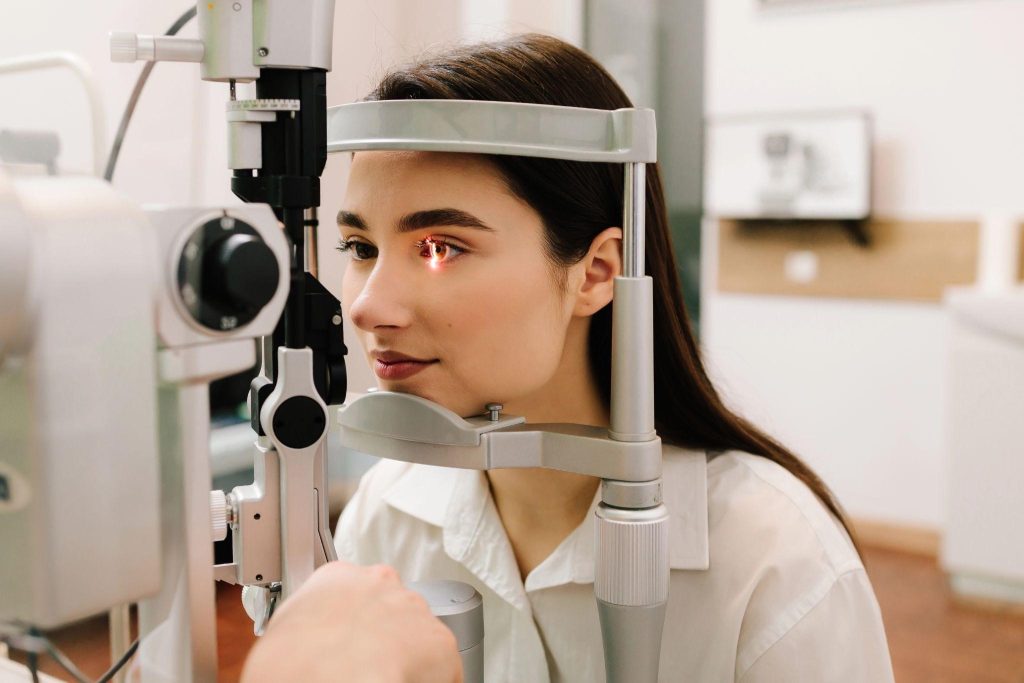
- Slit Lamp Exam: The doctor uses a microscope to inspect the front structures of the eye, including the cornea, lens, iris, and eyelids.
- Dilated Retinal Exam or Retinal Imaging: The most complete way to view the back of the eye to check for disease.
Benefits of a Long-Term Relationship
- Consistent Monitoring: Your doctor has a baseline to compare annual changes against, making even subtle deviations easier to spot.
- Early treatment: The doctor is aware of early treatment for any progressive diseases you may have
- Personalized Guidance: They can offer specific recommendations for managing screen fatigue, lighting needs, allergies, and age-related refractive options.
- Coordinated Care: Your ophthalmologist can work directly with your primary care physician to manage conditions like diabetes or hypertension that affect your eyes.
Lifestyle and Preventive Habits That Matter More After 40
- Nutrition: Foods rich in Omega-3s, leafy greens, and antioxidants support eye health.
- UV Protection: Wear sunglasses that block 100% of UVA and UVB rays, even on cloudy days, to protect against cataracts and macular degeneration.
- Screen Hygiene: Follow the “20-20-20” rule: every 20 minutes, look at something 20 feet away for 20 seconds. Regular breaks reduce eye strain and help dry eye.
- Managing Systemic Conditions: Maintaining control over blood pressure, blood sugar, and cholesterol levels is direct protection for the delicate blood vessels in your eyes.
When to See an Ophthalmologist Sooner Than a Year
| Symptom | What It Could Indicate |
| Sudden blurry vision or flashes of light. | This can mean a serious problem with the retina, such as a retinal detachment or a stroke affecting the eye or brain. Immediate treatment is often essential to preserve vision. |
| New, many, or dramatically increased floaters. | While occasional floaters are normal, a sudden shower of new floaters, especially when accompanied by flashes of light, can be a warning sign of a retinal tear. |
| Eye pain or new, severe redness. | Severe, sudden pain or redness may indicate an infection, inflammation, or a rapid rise in eye pressure, such as an acute angle-closure glaucoma attack, which requires emergency care. |
| A loss of side (peripheral) vision. | A noticeable decrease or a dark curtain appearing in your side vision can be a sign of retinal detachment or an advanced stage of glaucoma. |
| A dramatic change in your ability to focus up close. | While some difficulty focusing up close is normal with age, a sudden, major change could be related to conditions like uncontrolled diabetes or changes to the lens of the eye, such as a rapidly progressing cataract. |
| Persistent dry eye or chronic irritation. | If you have discomfort that doesn’t improve with over-the-counter drops, you may need prescription treatment to prevent long-term damage to the cornea. While not usually an emergency, this needs professional management. |
How Annual Eye Exams Support Long-Term Quality of Life
Protecting Independence and Daily Functioning
- Maintaining Clear Vision: Regular exams ensure your prescription for glasses or contacts is current.
- Preventing Falls: Uncorrected vision problems, even subtle ones like reduced contrast sensitivity, can increase the risk of falls, particularly in older adults.
- Enabling Learning and Work: For all ages, clear, comfortable vision is important for productivity.
Reducing the Risk of Preventable Vision Loss
- Early Detection of Eye Diseases: Many serious conditions, like glaucoma, macular degeneration, and diabetic retinopathy, often have no noticeable symptoms in their early stages. Annual exams use specialized tests to catch these issues when they are most treatable.
- Timely Intervention: When an eye disease is detected early, your eye doctor can initiate treatment to slow or halt its progression, preserving your remaining vision.
Also Read: Cataract Surgery for Diabetics: Extra Steps for Safer Healing
Keeping Individuals Safe for Driving, Work, and Digital Activity
- Driving Safety: Up-to-date vision and assessments for conditions that affect peripheral vision, depth perception, or night vision are crucial for safe driving, especially as you age.
- Overall Health Monitoring: The eyes are the only place in the body where a doctor can directly view blood vessels and nerves without surgery. An eye exam can reveal early signs of serious systemic health conditions like:
- Diabetes
- High Blood Pressure
- High Cholesterol
- Addressing Digital Eye Strain: With increased use of screens, annual exams allow doctors to recommend specific lenses, eye protection, or habits to manage and prevent computer vision syndrome, which contributes to long-term discomfort.
Conclusion
Your vision will naturally change after 40, but this doesn’t mean you have to accept a decline in clarity or comfort. Prioritizing a yearly ophthalmologist visit is the single best step you can take to safeguard your independence and daily functioning.
Regular appointments provide reassurance and help you stay ahead of silent eye diseases. By being diligent about your eye health now, you are investing in clearer, more comfortable vision for decades to come.
Contact Soroudi Advanced LASIK & Eye Centers to make an appointment!