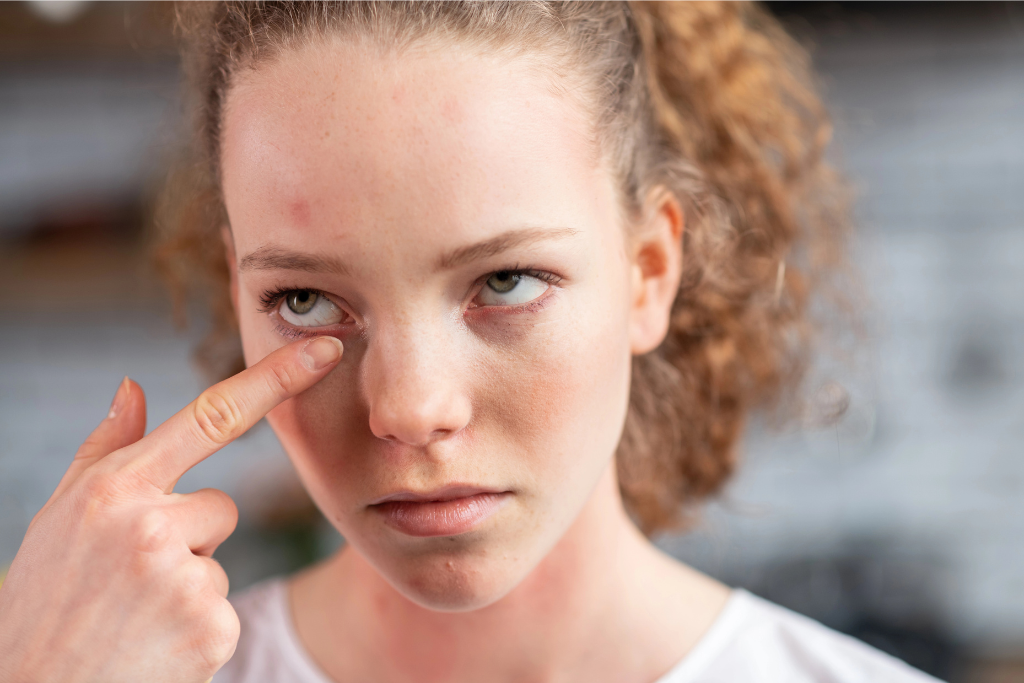
The Mystery of the “Surfer’s Eye”
If you spend a lot of time outdoors in Southern California, you might have noticed a small, fleshy bump forming on the white part of your eye. For many active individuals, this eye growth starts as a minor irritation, perhaps a bit of redness after a long day at the beach or a hike through a windy canyon. Over time, however, this small spot can transform into a persistent, wing-shaped tissue that creeps toward the center of your vision.
This eye condition is known medically as a pterygium. While the name sounds clinical, it is famously known by its nickname: surfer’s eye. The term stems from the fact that people who spend hours on the water, exposed to reflected sunlight and ocean spray, are among the most likely to develop it. However, you do not need to own a surfboard to be at risk. Whether you are a construction worker, a gardener, or someone who simply enjoys the sunny Los Angeles climate, understanding how environmental factors affect your eyes is a major part of maintaining long-term eye health.
A pterygium is a non-cancerous growth, but that does not mean it is harmless. It is a sign that your eyes are struggling against the elements. Recognizing the symptoms and understanding what causes pterygium in the eye can help you take the right steps before your vision is affected.
What Exactly is a Pterygium?
A pterygium usually begins in the conjunctiva, the clear, thin membrane that covers the white part of your eye. It often appears on the side closest to the nose, looking like a pinkish, triangular wedge of tissue.
Visual Symptoms
In its early stages, the growth might just look like a persistent patch of bloodshot hardware. Many patients report a sensation of a foreign object in their eye, leading to constant blinking or rubbing. As the eye growth progresses, it can become more vascular, appearing red and inflamed.
Impact on Vision
If left alone, a pterygium can grow large enough to cover the cornea, the clear front window of the eye. When this happens, it can physically change the shape of the cornea, causing astigmatism. In extreme cases, the tissue can block the pupil entirely, obscuring your vision and making daily tasks like driving or reading difficult.
Common Misconceptions
One common fear is that this growth is a form of cancer. Fortunately, a pterygium is benign. However, it should not be ignored. Because it is an actively growing tissue, it can become scarred or thickened, making it harder to treat the longer you wait. A consultation with an eye doctor Los Angeles residents trust is the best way to confirm the diagnosis and rule out more serious conditions.
Also Read: Is Pterygium Just Cosmetic or Can It Damage Vision?
The “Triple Threat”: What Triggers the Growth?
Why does the body suddenly decide to grow extra tissue over the eye? The answer lies in a combination of environmental stressors that create a triple threat to the ocular surface.
UV Exposure
The primary factor is UV eye damage. Ultraviolet rays from the sun damage the DNA in the cells of the conjunctiva. In response to this chronic damage, the body attempts to protect itself by producing extra tissue. This is why the condition is so much more common in Sun Belt regions and among people who work outdoors without eye protection.
Wind and Dust
While the sun gets most of the blame, the effects of wind and dust on eye health are equally significant. Constant exposure to wind dries out the tear film, leaving the eye surface vulnerable. Dust and sand act as micro-abrasives, causing tiny scratches and chronic irritation. This mechanical stress signals the conjunctiva to thicken, contributing to the symptoms of pterygium growth.
Chronic Dryness
Inflammation is the engine that drives a pterygium. When the eye is chronically dry, it remains in a state of constant inflammation. This localized swelling provides the perfect environment for the growth to expand. For those living in arid climates, managing dryness is just as important as blocking the sun.
Prevention: Protecting Your Eyes Naturally
Prevention is the most reliable way to avoid the need for surgery later in life. Learning how to prevent pterygium naturally involves creating a physical barrier between your eyes and the harsh environment.
The Power of Polarized Sunglasses
When shopping for shades, look for a label that specifies 100% UV protection. Polarized lenses are particularly helpful because they reduce glare from water, pavement, and sand, which is where a high percentage of UV damage occurs.
The “Wrap-Around” Strategy
Standard fashion frames often allow sunlight and wind to leak in through the sides. Effectively protecting your eyes from the sun and wind involves using wraparound frames. These styles hug the face, creating a micro-environment that keeps moisture in and wind-blown debris out.
Hydration is Key
Keeping the surface of the eye lubricated is a simple but powerful tool. Using preservative-free artificial tears throughout the day can wash away dust and allergens while replenishing the tear film. This helps stay ahead of the inflammation that fuels tissue growth.
The Broad-Brimmed Hat
Do not underestimate the value of a good hat. A hat with at least a three-inch brim can block up to 50% of the UV radiation reaching your eyes. When paired with sunglasses, you provide your eyes with a double layer of defense against UV eye damage.
When to See a Professional
If you notice a change in the appearance of your eye, it is time to schedule a visit with an eye doctor.
Monitoring Growth
You should pay close attention if the growth seems to be moving toward your iris (the colored part of the eye). Increased redness, persistent itching, or a change in your glasses prescription are all signs that the condition is progressing.
Also Read: UV Protection and Eye Health: Preventing Pterygium Naturally
Diagnosis
During an exam, a specialist will use a slit-lamp microscope to examine the growth at high magnification. This allows them to see how deep the tissue goes and whether it is affecting the curvature of your cornea.
Location-Specific Care
Finding pterygium treatment in Los Angeles is helpful, as doctors in this region frequently see this condition. They understand the specific environmental challenges of Southern California and can provide a plan that accounts for your lifestyle, whether you spend your weekends at the beach or in the desert.
Treatment Options: From Eye Drops to Surgery
Treatment depends largely on how much the growth is bothering you and whether it threatens your sight.
Conservative Management
For mild cases that are just starting, the focus is on comfort. An eye doctor may prescribe mild steroid drops to reduce swelling or specialized lubricants to soothe irritation. These do not make the pterygium disappear, but they can stop it from feeling like a constant nuisance.
Surgical Intervention
If the growth causes blurred vision or severe discomfort, or if the cosmetic appearance is a major concern, surgery may be the best option. The goal of surgery is to remove the abnormal tissue and replace it with healthy tissue to prevent recurrence.
Also Read: Does Pterygium Affect Your Vision? Here’s When to See an Eye Doctor
Advanced Techniques
Modern medicine has significantly improved the recovery process. Many specialists now use a sutureless grafting technique. Instead of using traditional stitches, which can be uncomfortable and cause further irritation, the doctor uses a special medical adhesive to secure a small piece of healthy conjunctiva over the area where the growth was removed. This technique typically leads to a faster return to daily activities and a lower chance of the eye growth returning.
Conclusion: Clear Skies and Clear Vision
While the sun and wind are part of what makes life in California beautiful, they are the main drivers of surfer’s eye. A pterygium might start as a small spot, but it is a clear signal from your body that your eyes need more defense.
By wearing the right sunglasses, keeping your eyes hydrated, and seeking pterygium treatment in Los Angeles when symptoms arise, you can keep your vision clear for years to come. Do not wait until your vision is affected before starting to wear those shades. Protect your sight today so you can continue to enjoy the view tomorrow.
Book an appointment today with Soroudi Advanced LASIK and Eye Centers today!
The Mystery of the “Surfer’s Eye”
If you spend a lot of time outdoors in Southern California, you might have noticed a small, fleshy bump forming on the white part of your eye. For many active individuals, this eye growth starts as a minor irritation, perhaps a bit of redness after a long day at the beach or a hike through a windy canyon. Over time, however, this small spot can transform into a persistent, wing-shaped tissue that creeps toward the center of your vision.
This eye condition is known medically as a pterygium. While the name sounds clinical, it is famously known by its nickname: surfer’s eye. The term stems from the fact that people who spend hours on the water, exposed to reflected sunlight and ocean spray, are among the most likely to develop it. However, you do not need to own a surfboard to be at risk. Whether you are a construction worker, a gardener, or someone who simply enjoys the sunny Los Angeles climate, understanding how environmental factors affect your eyes is a major part of maintaining long-term eye health.
A pterygium is a non-cancerous growth, but that does not mean it is harmless. It is a sign that your eyes are struggling against the elements. Recognizing the symptoms and understanding what causes pterygium in the eye can help you take the right steps before your vision is affected.
What Exactly is a Pterygium?
A pterygium usually begins in the conjunctiva, the clear, thin membrane that covers the white part of your eye. It often appears on the side closest to the nose, looking like a pinkish, triangular wedge of tissue.
Visual Symptoms
In its early stages, the growth might just look like a persistent patch of bloodshot hardware. Many patients report a sensation of a foreign object in their eye, leading to constant blinking or rubbing. As the eye growth progresses, it can become more vascular, appearing red and inflamed.
Impact on Vision
If left alone, a pterygium can grow large enough to cover the cornea, the clear front window of the eye. When this happens, it can physically change the shape of the cornea, causing astigmatism. In extreme cases, the tissue can block the pupil entirely, obscuring your vision and making daily tasks like driving or reading difficult.
Common Misconceptions
One common fear is that this growth is a form of cancer. Fortunately, a pterygium is benign. However, it should not be ignored. Because it is an actively growing tissue, it can become scarred or thickened, making it harder to treat the longer you wait. A consultation with an eye doctor Los Angeles residents trust is the best way to confirm the diagnosis and rule out more serious conditions.
Also Read: Is Pterygium Just Cosmetic or Can It Damage Vision?
The “Triple Threat”: What Triggers the Growth?
Why does the body suddenly decide to grow extra tissue over the eye? The answer lies in a combination of environmental stressors that create a triple threat to the ocular surface.
UV Exposure
The primary factor is UV eye damage. Ultraviolet rays from the sun damage the DNA in the cells of the conjunctiva. In response to this chronic damage, the body attempts to protect itself by producing extra tissue. This is why the condition is so much more common in Sun Belt regions and among people who work outdoors without eye protection.
Wind and Dust
While the sun gets most of the blame, the effects of wind and dust on eye health are equally significant. Constant exposure to wind dries out the tear film, leaving the eye surface vulnerable. Dust and sand act as micro-abrasives, causing tiny scratches and chronic irritation. This mechanical stress signals the conjunctiva to thicken, contributing to the symptoms of pterygium growth.
Chronic Dryness
Inflammation is the engine that drives a pterygium. When the eye is chronically dry, it remains in a state of constant inflammation. This localized swelling provides the perfect environment for the growth to expand. For those living in arid climates, managing dryness is just as important as blocking the sun.
Prevention: Protecting Your Eyes Naturally
Prevention is the most reliable way to avoid the need for surgery later in life. Learning how to prevent pterygium naturally involves creating a physical barrier between your eyes and the harsh environment.
The Power of Polarized Sunglasses
When shopping for shades, look for a label that specifies 100% UV protection. Polarized lenses are particularly helpful because they reduce glare from water, pavement, and sand, which is where a high percentage of UV damage occurs.
The “Wrap-Around” Strategy
Standard fashion frames often allow sunlight and wind to leak in through the sides. Effectively protecting your eyes from the sun and wind involves using wraparound frames. These styles hug the face, creating a micro-environment that keeps moisture in and wind-blown debris out.
Hydration is Key
Keeping the surface of the eye lubricated is a simple but powerful tool. Using preservative-free artificial tears throughout the day can wash away dust and allergens while replenishing the tear film. This helps stay ahead of the inflammation that fuels tissue growth.
The Broad-Brimmed Hat
Do not underestimate the value of a good hat. A hat with at least a three-inch brim can block up to 50% of the UV radiation reaching your eyes. When paired with sunglasses, you provide your eyes with a double layer of defense against UV eye damage.
When to See a Professional
If you notice a change in the appearance of your eye, it is time to schedule a visit with an eye doctor.
Monitoring Growth
You should pay close attention if the growth seems to be moving toward your iris (the colored part of the eye). Increased redness, persistent itching, or a change in your glasses prescription are all signs that the condition is progressing.
Also Read: UV Protection and Eye Health: Preventing Pterygium Naturally
Diagnosis
During an exam, a specialist will use a slit-lamp microscope to examine the growth at high magnification. This allows them to see how deep the tissue goes and whether it is affecting the curvature of your cornea.
Location-Specific Care
Finding pterygium treatment in Los Angeles is helpful, as doctors in this region frequently see this condition. They understand the specific environmental challenges of Southern California and can provide a plan that accounts for your lifestyle, whether you spend your weekends at the beach or in the desert.
Treatment Options: From Eye Drops to Surgery
Treatment depends largely on how much the growth is bothering you and whether it threatens your sight.
Conservative Management
For mild cases that are just starting, the focus is on comfort. An eye doctor may prescribe mild steroid drops to reduce swelling or specialized lubricants to soothe irritation. These do not make the pterygium disappear, but they can stop it from feeling like a constant nuisance.
Surgical Intervention
If the growth causes blurred vision or severe discomfort, or if the cosmetic appearance is a major concern, surgery may be the best option. The goal of surgery is to remove the abnormal tissue and replace it with healthy tissue to prevent recurrence.
Also Read: Does Pterygium Affect Your Vision? Here’s When to See an Eye Doctor
Advanced Techniques
Modern medicine has significantly improved the recovery process. Many specialists now use a sutureless grafting technique. Instead of using traditional stitches, which can be uncomfortable and cause further irritation, the doctor uses a special medical adhesive to secure a small piece of healthy conjunctiva over the area where the growth was removed. This technique typically leads to a faster return to daily activities and a lower chance of the eye growth returning.
Conclusion: Clear Skies and Clear Vision
While the sun and wind are part of what makes life in California beautiful, they are the main drivers of surfer’s eye. A pterygium might start as a small spot, but it is a clear signal from your body that your eyes need more defense.
By wearing the right sunglasses, keeping your eyes hydrated, and seeking pterygium treatment in Los Angeles when symptoms arise, you can keep your vision clear for years to come. Do not wait until your vision is affected before starting to wear those shades. Protect your sight today so you can continue to enjoy the view tomorrow.
Book an appointment today with Soroudi Advanced LASIK and Eye Centers today!