You are sitting at your desk or looking at your phone when you notice a slight blur that wasn’t there yesterday. Or perhaps a small, dark floater drifts across your field of vision, and you find yourself blinking rapidly to clear it away. At that moment, a common dilemma arises: is this a simple sign that you need a new prescription, or is it something more serious that requires medical intervention?
Vision care can feel confusing when you are trying to decide which door to walk through. Understanding the “who, what, and when” of eye care is the best way to maintain your sight for years to come. Many patients ask themselves, do I need an eye exam or a specialist? The answer depends on your symptoms, your medical history, and the specific changes you are experiencing. By learning the roles of different providers, you can make an informed choice for your eye health.
The Professionals: Optometrist vs. Ophthalmologist
When you search for an eye doctor, you will likely find two types of providers: optometrists and ophthalmologists. While both are dedicated to your vision, we break down the difference between an optometrist and an ophthalmologist.
The Optometrist (The Primary Care)
An optometrist is often the first person you see for a vision check. They are doctors of optometry who focus on primary vision care. Their work includes performing a standard eye exam, prescribing glasses and contact lenses, and monitoring general changes in your sight. They can also detect certain diseases and provide topical medications for minor infections or dry eye.
The Ophthalmologist (The Specialist)
An ophthalmologist is a medical doctor who has completed advanced surgical training. While they can perform routine exams, their primary focus is the diagnosis and treatment of complex medical conditions. If you require cataract surgery, glaucoma treatment, or management of retinal diseases, an eye specialist is the professional you need. They handle the medical and physical aspects of the eye, from performing delicate procedures to managing trauma.
| Feature | Optometrist | Ophthalmologist |
| Primary Role | Routine exams & vision correction | Medical & surgical eye care |
| Education | Doctor of Optometry (OD) | Medical Doctor (MD or DO) |
| Best For | Annual check-ups, blurry vision | Eye diseases, surgery, trauma |
Also Read: Ophthalmologist vs. Optometrist in LA: Who Should You See First?
What Happens During a Routine Eye Exam?
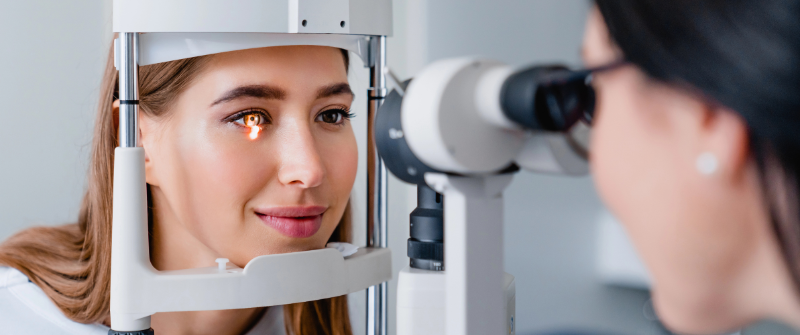
A routine eye exam is more than just reading letters off a wall. It is a series of tests designed to assess both how well you see and the health of the physical structures of your eyes.
The Basics
The process usually begins with a visual acuity test. This is the standard eye chart where you identify letters of varying sizes. This helps the doctor determine if you have nearsightedness, farsightedness, or astigmatism. Following this, the doctor uses a phoropter—the device with many lenses—to determine your exact prescription.
The Health Check
Beyond vision, the doctor checks the pressure inside your eye, often using a puff of air (tonometry). This is a screening tool for glaucoma. Many visits also involve pupil dilation. By using drops to widen your pupils, the doctor can see the back of the eye clearly. This allows them to look at the retina and optic nerve for signs of damage.
The Goal
Establishing a baseline for your vision is the main advantage of these visits. It allows your doctor to catch early signs of systemic issues like diabetes or high blood pressure, which often show symptoms in the small blood vessels of the eye before they appear elsewhere in the body.
Signs You Need to See an Eye Specialist
Sometimes, a standard vision check is not enough. There are specific signs you need to see an eye specialist rather than waiting for a yearly appointment. If you experience red-flag symptoms, you should seek immediate medical attention from an ophthalmologist.
The Red Flags
- Sudden flashes of light or curtains: If you see bright flashes or a dark shadow creeping across your vision, it could indicate a retinal tear or detachment. This is a medical emergency.
- Severe eye pain or redness: While some redness is normal with allergies, deep pain or a burning sensation can signal internal inflammation or sudden pressure spikes.
- Distorted vision: If straight lines, like door frames or telephone poles, suddenly appear wavy or crooked, it may indicate an issue with the macula.
- Loss of peripheral vision: Losing your side vision, often called tunnel vision, is a primary indicator of advanced glaucoma.
Chronic Conditions
If you have been diagnosed with long-term issues such as macular degeneration or diabetic retinopathy, you will work closely with a specialist. These conditions require ongoing medical management and sometimes injections or laser treatments to prevent further vision loss. When you worry about vision problems that involve these diagnoses, the specialist becomes your primary point of contact.
Also Read: Cataract vs Glaucoma vs Macular Degeneration: Key Differences
Timing Your Care: How Often Should I Get an Eye Exam?
Knowing how often you should get an eye exam depends on your age and your risk factors.
General Rule
For healthy adults between the ages of 18 and 60, a visit every 1 to 2 years is usually sufficient. This frequency allows the doctor to update prescriptions and monitor for any slow-onset changes in the cornea or lens.
Age Matters
Children require frequent checks to ensure their eyes are developing correctly and that vision issues aren’t interfering with their learning. Conversely, seniors over age 65 should move to an annual schedule. As we age, the risk for cataracts, glaucoma, and macular degeneration increases significantly.
Risk Factors
You may need more frequent visits if you have a family history of glaucoma or if you live with health issues like diabetes. These factors make you more susceptible to silent changes in your vision that don’t always cause pain or obvious blurriness in the early stages.
Finding Local Care: When to See an Eye Doctor in Glendale
If you live in the Los Angeles area, you have access to some of the best medical resources in the country. Knowing when to see an eye doctor in Glendale is often a matter of convenience and community. Having a local provider means you are more likely to keep your appointments and stay on top of preventative health.
The Glendale Advantage
Choosing a local eye exam in Glendale allows you to build a relationship with a team that understands your history. Whether you need a simple update to your glasses or you require the advanced skills of a surgeon, staying within a local network like Soroudi Advanced LASIK & Eye Centers makes the transition from routine care to specialized treatment seamless. Local access to both routine and specialized care matters because in an emergency, every minute counts.
Also Read: 10 Questions to Ask Your Ophthalmologist in Los Angeles
Conclusion: Prioritizing Your Sight
Your vision is one of your most valuable senses, yet it is often the one people take for granted until a problem arises. Most journeys toward better sight start with a routine eye exam. During this visit, your optometrist will evaluate your needs and guide you to an eye specialist if they find anything that requires medical or surgical intervention.
Don’t wait until you’re worried about vision problems or noticing a significant decline in your clarity. Staying ahead of eye disease is the most reliable way to maintain your quality of life. Schedule your next vision check today.