When Eye Symptoms Should Not Be Ignored
Many eye symptoms are temporary and may be caused by fatigue, allergies, or minor irritation. A bit of redness after a long day at the computer or itchiness during pollen season often resolves with rest or over-the-counter drops. However, certain vision problems or other serious eye problems may indicate conditions that require evaluation by an eye specialist in Los Angeles.
Recognizing the difference between mild discomfort and symptoms that need medical attention can help protect long-term vision. While it is tempting to wait and see if a symptom disappears, some issues are time-sensitive. Early diagnosis often enables treatment and the prevention of complications that could otherwise lead to permanent damage. If you are wondering when you should see an eye specialist in Los Angeles, the answer usually lies in the severity and speed at which your symptoms appeared.
Understanding the Role of an Eye Specialist
When dealing with vision problems, it is important to know when to see an ophthalmologist instead of an optometrist. While optometrists are excellent for routine exams and glasses prescriptions, ophthalmologists are medical doctors who focus on the medical and surgical care of the eyes. These specialists diagnose and treat the most difficult eye conditions, from glaucoma to retinal detachment.
Specialty eye care involves a deeper look into the anatomy of the eye. Because certain symptoms require advanced diagnostic testing, such as high-resolution retinal imaging or measurement of intraocular fluid dynamics, a specialist is necessary. They provide a level of medical intervention that goes beyond vision correction, focusing instead on the biological health of the ocular system.
Sudden Changes in Vision
Blurred or Distorted Vision
Sudden vision changes can indicate underlying eye conditions that need immediate attention. If you experience sudden blurry vision in one eye, it is rarely simply a matter of needing a new prescription. It could be a sign of a corneal issue or a macular problem. When straight lines begin to look wavy, or objects appear tilted, the structural integrity of your vision is at risk.
Double Vision
Seeing two images of the same object may indicate neurological or muscular eye issues. This symptom, known as diplopia, can happen in one eye or both. If double vision appears suddenly, it is an eye emergency. It may be linked to the nerves that control eye movement or even issues within the brain, making a specialist’s evaluation a priority.
Loss of Peripheral Vision
Reduced side vision may signal conditions affecting the optic nerve or retina. Often described as tunnel vision, this loss can be so gradual that you don’t notice it until it is advanced, or it can happen quickly. In either case, it is one of those eye symptoms that should not be ignored, as it is often associated with elevated intraocular pressure.
Persistent Eye Pain or Pressure
Eye Pain That Does Not Improve
Ongoing discomfort may signal inflammation or infection deep within the tissues. While a scratchy feeling might be dry eye, a deep, throbbing ache is different. Understanding the causes of eye pain is a major part of a specialist’s job. Pain that keeps you awake or makes it hard to move your eyes is a red flag for serious involvement.
Pressure Behind the Eye
Persistent pressure can sometimes indicate elevated eye pressure or other eye conditions like sinus-related ocular strain or orbital inflammation. If you experience severe eye pain and headache at the same time, this can be a sign of acute angle-closure glaucoma, a medical emergency that requires immediate intervention to save your sight.
Also Read: When Headaches Are Really an Eye Issue
Severe Light Sensitivity
Sensitivity That Interferes With Daily Activities
Light sensitivity, or photophobia, may occur with certain inflammatory eye conditions like iritis or uveitis. If stepping into the sunlight or even turning on a lamp causes physical pain, your eyes are telling you that something is wrong. This isn’t just a need for sunglasses; it’s a sign that the eye’s internal structures are reactive and inflamed.
Associated Redness or Blurred Vision
When combined with other symptoms, light sensitivity may require prompt evaluation. A red eye that doesn’t go away, paired with light sensitivity, often points toward an infection or a corneal ulcer. These are urgent eye symptoms that can lead to scarring if a specialist does not provide the right medication quickly.
Persistent Eye Redness
Redness That Lasts Several Days
Ongoing redness may signal infection, inflammation, or surface eye conditions. While pink eye is common, not all red eyes are simple conjunctivitis. If you have eye infection symptoms that require urgent care, such as thick discharge or a feeling that something is stuck in your eye, you need a specialist to rule out more dangerous pathogens.
Visible Growth or Changes on the Eye Surface
Tissue growths or abnormal areas on the eye should be evaluated by a specialist. Growths such as pterygium or pingueculae can interfere with the tear film or even grow over the cornea, obstructing vision. Any new bump, spot, or change in pigmentation on the white of the eye or the iris needs a professional evaluation.
Flashes of Light or Floating Spots
Sudden Increase in Floaters
New floaters may appear as small spots or lines drifting across the visual field. While many people have a few floaters, a sudden shower of many new spots is a major concern. This often happens when the vitreous gel inside the eye shifts, sometimes pulling on the retina.
Flashes of Light in Peripheral Vision
Flashes may occur when the retina experiences traction or irritation. If you see streaks of light, like lightning bolts or camera flashes, especially in the dark, you are experiencing a hallmark cause of sudden vision loss. This could mean the retina is tearing or detaching. This is a top-tier eye emergency that requires a specialist to prevent permanent blindness.
Also Read: How Aging Eyelids Affect Peripheral Vision
Difficulty Seeing Clearly at Night
Increased Glare From Lights
Halos or glare around headlights may signal changes in the eye’s lens or cornea. If driving at night has become scary because the streetlights are “starbursting,” you may be developing cataracts. A specialist can track these changes and determine when the lens needs attention.
Reduced Contrast Sensitivity
Difficulty distinguishing objects in dim lighting may indicate underlying eye conditions. If you find yourself needing more and more light to see basic items or if colors look muddy and faded, your retina or lens may be struggling. This gradual decline is often caught during a specialist’s exam before you even realize how much vision you have lost.
Gradual Vision Changes That Worsen Over Time
Increasing Difficulty Reading or Focusing
Gradual changes may signal cataracts or other age-related eye conditions. If you find yourself constantly moving your phone further away or needing stronger reading lights, it is time for an evaluation. While aging is a factor, a specialist can check for macular issues that mimic simple aging.
Frequent Prescription Changes
Rapid changes in vision correction may indicate structural changes within the eye. If you find that your glasses no longer work just six months after getting them, it could be a sign of fluctuating blood sugar or a changing corneal shape. A specialist looks for the “why” behind the shift, not just the new numbers for your lenses.
Symptoms That Require Immediate Attention
There are moments when you should not wait for an appointment. Go to an eye specialist in Los Angeles or an emergency room immediately if you experience:
- Sudden loss of vision: Even if it returns quickly, it is a sign of a vascular or neurological event.
- Severe eye pain: Intense pain, especially when accompanied by nausea.
- Flashes of light with vision loss: This combination strongly suggests a retinal detachment.
- Eye injury or trauma: Any chemical splash or physical impact to the globe requires professional eye infection treatment and a physical assessment.
Why Early Evaluation Matters
Many serious eye conditions respond best to early treatment. In many cases, the window for saving vision is measured in hours, not days. Delaying care can sometimes lead to irreversible vision changes that no surgery or medicine can fix later.
An eye specialist can identify the cause of symptoms and recommend appropriate treatment. Whether it is a specialized drop for an infection or a laser procedure for a retinal tear, having a diagnosis from a professional is the only way to manage your ocular health.
Also Read: How to Know If You Need More Than Routine Eye Care
How Eye Specialists Diagnose Eye Conditions
A specialist uses more than just a wall chart. They perform a variety of tests to see what is happening inside the eye:
- Imaging and diagnostic testing: High-resolution scans (like OCT) can see the individual layers of the retina.
- Evaluation of vision and eye pressure: Tonometry checks for signs of glaucoma that you cannot feel.
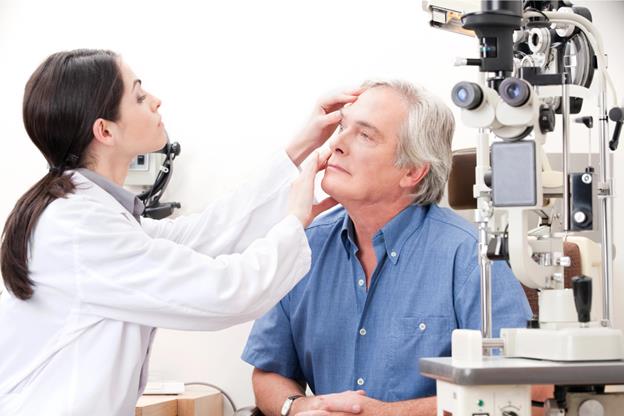
- Ocular structure review: Using a slit-lamp microscope to look at the cornea, iris, and lens under high magnification.
Protecting Long-Term Vision Health
Routine eye examinations are the best way to catch problems before they start. Many conditions, like glaucoma, have no symptoms in the early stages. By the time you notice a problem, the damage may already be done.
- Recognize early symptoms: Pay attention to minor shifts in how you see.
- Maintain healthy habits: Wear UV protection and give your eyes breaks from screens.
- Seek help fast: Don’t ignore a red eye that doesn’t go away or new floaters.
Conclusion: Listening to Your Eyes
Many eye symptoms may seem minor but could signal conditions requiring specialized care. From sudden blurry vision in one eye to a deep ache that won’t quit, your eyes have ways of signaling distress. Recognizing warning signs and seeking evaluation early helps protect long-term vision and eye health.
If you are experiencing any of these issues, contact Soroudi Advanced LASIK & Eye Centers to get the clarity and care you need.