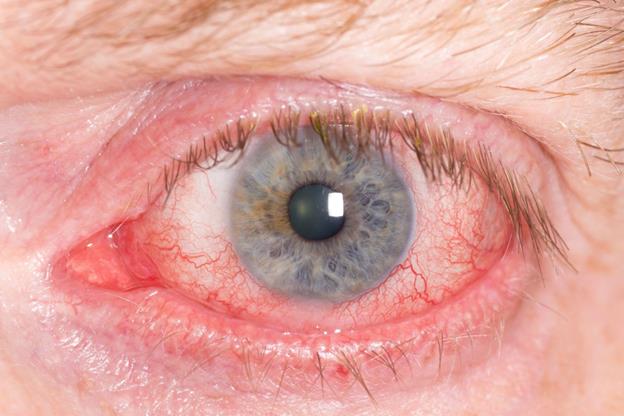
When Eye Redness Becomes Persistent
Occasional eye redness is common and often caused by temporary irritation, allergies, or fatigue. Most people expect a bloodshot eye to clear up after a good night’s sleep or a few soothing drops. However, when redness persists in the same area of the eye and does not improve over time, it may indicate an underlying condition.
One possible cause is pterygium, a growth of tissue on the surface of the eye that can gradually extend toward the cornea. Unlike a temporary broken blood vessel or a seasonal allergy flare-up, this is a physical change in the eye’s anatomy. Understanding the signs of pterygium can help patients recognize when persistent redness in the eye should be evaluated by an eye doctor in Los Angeles.
What Is a Pterygium?
Definition of Pterygium
A pterygium is a noncancerous growth of tissue on the conjunctiva, which is the clear membrane covering the white part of your eye. It is a fleshy, triangular lesion that often looks pink or yellowish. While it is not a tumor or a sign of cancer, it is a progressive growth that can change the way your eye feels and looks.
Extension Onto the Cornea
The growth starts on the sclera (the white part) but can eventually reach the cornea, the clear front window of the eye. Because the cornea is responsible for focusing light, any tissue that moves onto its surface can interfere with your ability to see clearly.
Why It Is Called Surfer’s Eye
The condition is frequently referred to as surfer’s eye. This nickname exists because the growth is strongly linked to long hours spent in the sun, wind, and salt spray, conditions surfers face daily. However, you do not have to be an athlete to develop this. Anyone who spends significant time outdoors without protection is at risk.
Slow Development
This eye growth typically develops slowly over time. It might start as a small, slightly yellow spot known as a pinguecula. If that spot stays irritated and begins to grow across the eye, it becomes a pterygium. Because it moves so slowly, many people ignore it until it becomes quite noticeable.
Also Read: When a Red Eye Isn’t Just Dryness: Spotting a Pterygium Early
Why Pterygium Develops
The exact reason some people get these growths while others don’t isn’t fully understood, but several environmental factors play a massive role.
- Long-term exposure to ultraviolet (UV) light: This is the most significant factor. UV rays from the sun damage the DNA in the conjunctiva, causing the tissue to thicken and grow abnormally.
- Environmental irritants: Constant exposure to dust, wind, and sand can keep the eye in a state of chronic inflammation. This irritation signals the body to send more blood and tissue to the area to protect it.
- Dry climates: Living in an arid environment can lead to a lack of lubrication on the eye surface, making the tissue more prone to damage.
- Chronic eye irritation or dryness: If your eyes are always scratchy or dry, the friction of your eyelid moving over the dry surface can contribute to the development of a pterygium.
- Outdoor occupations: People who work in construction, landscaping, or agriculture often experience high levels of UV and dust exposure, making them more likely to develop pterygium.
Early Signs Patients Often Notice
Persistent Eye Redness
There can be many causes of persistent eye redness. Unlike a standard inflamed eye that turns red all over, pterygium-related redness is often confined to one spot. It usually appears on the inner corner of the eye near the nose. This redness may remain visible even when you use drops or when other allergy symptoms improve. If you look in the mirror and see a localized patch of red that never goes away, it is time for a professional checkup.
A Visible Growth on the Eye
Initially, you might see a small raised or wedge-shaped area of tissue. It often looks like a film or a callus on the eye. Over months or years, the growth may gradually extend toward the center of the eye, becoming more opaque and white or pink as it gains more blood vessels. But there is definitely a difference between pterygium and pink eye.
Eye Irritation or Grittiness
Many patients report a foreign body sensation. It feels like a grain of sand or a piece of dust is stuck under the eyelid. This sensation may worsen in windy or dry environments where the raised tissue becomes even more dehydrated than the rest of the eye.
Additional Symptoms That May Develop
As the pterygium eye matures, it can cause more than just aesthetic concerns.
- Dry or Burning Sensation: The raised surface of the growth prevents tears from spreading evenly across the eye. This creates “dry spots” that cause a constant burning sensation.
- Blurred Vision: If the tissue pulls on the cornea or covers the pupil, it changes the way light enters the eye. This leads to blurry or distorted sight.
- Increased Sensitivity to Light: An inflamed eye is often sensitive to glare. Bright environments or driving during the day may become uncomfortable.
How Pterygium Can Affect Vision
Can pterygium affect vision? In the early stages, a pterygium might just be an annoyance. However, as it grows, the impact on your sight becomes more serious.
- Corneal Distortion: The growth can pull on the surface of the cornea as it moves inward. This pulling changes the shape of the eye, causing astigmatism.
- Obstruction of the Visual Axis: If the growth reaches the center of the pupil, it acts like a curtain being drawn across a window. At this stage, it completely blocks light from entering the eye.
- Chronic Inflammation: Constant swelling can lead to scarring on the cornea, which can permanently blur the vision even if the growth is later removed.
Also Read: Is Pterygium Just Cosmetic or Can It Damage Vision?
Risk Factors That Increase the Likelihood of Pterygium
- Living in sunny climates: Residents of Southern California are at higher risk due to the sheer number of sunny days per year.
- Regular exposure to outdoor environments: Whether for work or a hobby, being outside without eye protection increases the UV dose your eyes receive.
- Chronic dry eye conditions: When comparing dry eye vs pterygium, it is important to note that dry eye can actually be a precursor. Lack of tears makes the eye surface more vulnerable to the damage that causes these growths.
When Persistent Redness Should Be Evaluated
It is easy to brush off a red eye as a sign of a long day, but you should seek an experienced ophthalmologist for pterygium in Los Angeles if you notice:
- Redness that lasts several weeks or longer without any clear cause, like a cold or allergy.
- Visible tissue growth on the eye surface that looks different from the white part of the eye.
- Ongoing irritation or dryness that does not improve with over-the-counter lubricating drops.
- Vision changes, such as new blurriness or a change in your glasses prescription.
How Ophthalmologists Diagnose Pterygium
- Examination of the eye: A specialist will look at your eye using a high-powered microscope called a slit lamp.
- Growth Evaluation: The doctor will measure the size and location of the growth to see how close it is to the visual center.
- Vision Assessment: Checking your visual acuity and the curvature of your cornea helps determine if the growth is causing astigmatism.
- Photographic Documentation: The doctor often takes a photo of the eye to monitor growth over time and assess whether it is progressing.
Also Read: Is Pterygium a Form of Eye Cancer?
Managing Symptoms of Pterygium Growth in Early Stages
- Lubricating eye drops: These help reduce grittiness and keep the growth surface from becoming too dry.
- Steroid drops: For short-term flare-ups, a doctor might prescribe mild steroid drops to reduce inflammation in the eye.
- UV Protection: Wearing high-quality sunglasses that block 100% of UVA and UVB rays is the most important way to slow down the growth.
- Reducing Environmental Exposure: Avoiding smoky, dusty, or very windy areas can help keep the eye comfortable.
When Treatment May Be Recommended
- Growth Progression: If the tissue is moving steadily toward the center of the eye.
- Vision Impairment: If the growth is causing significant astigmatism or blocking the pupil.
- Severe Discomfort: When the eye remains red and painful despite using drops.
- Cosmetic Concerns: If the growth is very large and noticeable, causing the patient to feel self-conscious.
When asking when a pterygium requires surgery, the answer usually depends on how much the growth interferes with your daily life and visual health. Modern techniques focus on removing the tissue and using a small graft to help prevent regrowth.
Preventing Pterygium From Worsening
While you cannot always reverse the growth without surgery, you can take steps to stop it from getting larger.
- Sunglasses: Use wrap-around styles that block light from the sides.
- Hats: A wide-brimmed hat provides an extra layer of shade for the eyes.
- Moisture: Keep the eyes hydrated with preservative-free artificial tears.
- Routine Checks: Schedule regular eye examinations to track any changes in the growth.
Conclusion: Persistent Eye Redness Should Not Be Ignored
While occasional eye redness is common, redness that does not resolve may signal a condition affecting the eye surface. A pterygium can develop gradually and may initially appear as a small area of irritation or tissue growth. What starts as a minor cosmetic issue can eventually lead to vision loss if it reaches the cornea.
Early evaluation by an eye specialist can help determine the cause and prevent the condition from affecting vision. If you have been wondering what a pterygium in the eye is, or if you’re asking yourself, “Why won’t my eye redness go away?” A professional exam is the only way to get a clear answer.