The Fear Behind a New Growth
Noticing a change in your appearance can be unsettling, especially when it involves your vision. Many patients visit Soroudi Advanced LASIK & Eye Centers after spotting a fleshy, pinkish eye growth on the white part of their eye. Because we are conditioned to associate new growths with serious health risks, the first question many people ask is: Is pterygium a form of eye cancer?
The word growth carries a heavy weight. It brings up images of tumors and long medical battles. However, while any new bump on the body needs an evaluation, the majority of these triangular shapes on the eye are not life-threatening. Understanding the nature of this condition, often called surfer’s eye, is the best way to calm those initial fears.
What Is Pterygium?
A pterygium is a non-cancerous growth of the conjunctiva, which is the clear, thin tissue that covers the white part of your eye. This conjunctival growth often starts in the corner near the nose and can slowly extend toward the dark center of the eye, the cornea.
While it might look like a film or a thick callous, it is actually a fleshy tissue supplied with blood vessels. It differs from simple redness because it has a distinct structure. Unlike temporary irritation from a long night or allergies, a pterygium does not resolve with a few hours of rest. It is a physical change in the tissue that stays present until it is medically addressed.
Is Pterygium Cancerous?
Is pterygium benign or malignant? To put your mind at ease immediately: a pterygium is a benign eye growth. It is not malignant, and it does not spread to other parts of the body as a traditional eye tumor would.
When comparing pterygium vs eye cancer, the primary difference lies in the cellular makeup. Cancerous tumors involve uncontrolled cell division that invades surrounding healthy structures and can travel through the bloodstream. A pterygium, while it can grow and cause irritation, stays on the surface of the eye.
So, does pterygium turn into cancer? Current medical research indicates that a standard pterygium does not progress to malignancy. However, because it can resemble certain rare ocular surface tumors, having a professional evaluate it is the only way to be certain of its nature.
Why Pterygium Develops
The main reason these growths appear is related to environmental stress. When patients ask what causes pterygium on the eye, the answer usually involves the outdoors.
- UV Exposure: The sun is the biggest factor. Ultraviolet radiation damages DNA in the conjunctiva, leading to tissue thickening.
- Wind and Dust: Constant exposure to grit and wind causes chronic dryness, which irritates the surface.
- Dry Environments: People living in arid climates or working in sandy outdoor settings are at much higher risk.
This is why the nickname surfer’s eye stuck. People who spend hours on the water or in the sand receive a double dose of UV light, both from the sky and from reflections off the water or the beach.
Also Read: When a Red Eye Isn’t Just Dryness: Spotting a Pterygium Early
When a Pterygium Becomes a Problem
Even though it is not cancer, a pterygium is not always harmless. It can become a major issue if it begins to interfere with your quality of life or your sight.
- Vision Changes: If the growth reaches the cornea, it can pull on the corneal surface, changing its shape. This creates astigmatism, making your vision blurry or distorted.
- Discomfort: The raised surface of the growth makes it difficult for tears to evenly coat the eye. This leads to a gritty feeling, as if something is stuck in your eye.
- Appearance: Many patients feel self-conscious about the constant redness. It can make a person look tired or sick even when they feel fine.
Conditions That Can Mimic Pterygium
While most of these growths are benign, it is important to know when to worry about an eye growth. Some other conditions look very similar to a pterygium:
- Pinguecula: This is a yellowish bump on the conjunctiva. It is also benign and caused by UV light, but it does not grow over the cornea.
- Conjunctival Tumors: These are rare, but some early-stage cancers can look like a thick pterygium.
- Cysts: Small fluid-filled sacs can appear on the white of the eye, though these are usually clear rather than fleshy.
A pterygium specialist in Los Angeles can tell the difference during a routine exam, ensuring that nothing more serious is being overlooked.
How Eye Doctors Diagnose It
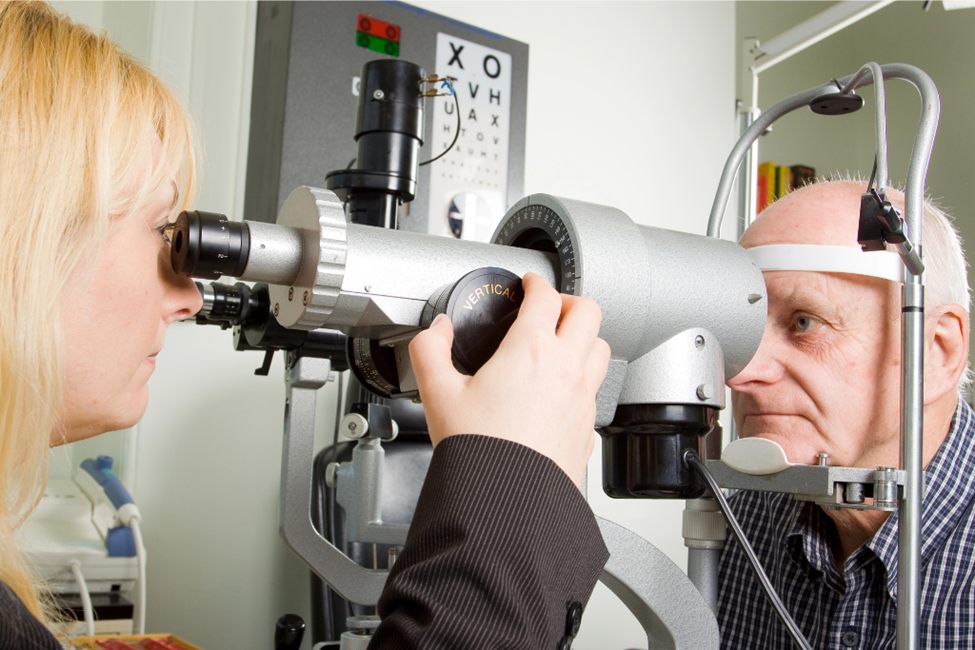
Diagnosis is usually a straightforward process. At Soroudi Advanced LASIK eye care, we use a slit-lamp microscope to examine the eye at high magnification. This allows us to see the borders of the growth and check if it is affecting the cornea.
In most cases, a visual exam is all that is needed. If the growth has an unusual color, bleeds easily, or grows very rapidly, we might use imaging or take a small sample to confirm it is a benign eye growth.
Treatment Options
Management depends on how much the growth bothers you.
- Mild Cases: If the growth is small and does not itch, we often recommend simple lubricating drops. This keeps the eye moist and prevents the gritty feeling.
- Inflammation Control: If the growth becomes very red and swollen, medicated drops can help shrink blood vessels and reduce irritation.
- Surgical Removal: If the growth threatens your vision, causes constant pain, or creates significant cosmetic distress, surgery is the best path. The procedure involves removing the tissue and replacing it with a small graft to help the eye heal smoothly.
Also Read: Is Pterygium Just Cosmetic or Can It Damage Vision?
Can Pterygium Come Back?
One challenge with this condition is its high recurrence rate. In the past, removing a pterygium often meant it would grow back, sometimes larger than before.
Modern surgical techniques have changed this. By using a “conjunctival autograft,” in which a tiny piece of healthy tissue is moved to the site of removal, we significantly lower the risk of the growth returning. After the procedure, protecting the eye from the elements is the most important factor in keeping the eye clear.
Protecting Your Eyes Long-Term
Prevention is the best medicine, whether you have had a pterygium removed or want to avoid getting one in the first place.
- Wear Sunglasses: Look for lenses that offer 100% UV protection. Wraparound styles are best because they block wind and light from the sides.
- Use a Hat: A wide-brimmed hat provides a physical shield that sunglasses might miss.
- Stay Hydrated: Use artificial tears if you work in a dry or dusty environment. Keeping the eye surface lubricated reduces the chronic irritation that feeds these growths.
Also Read: UV Protection and Eye Health: Preventing Pterygium Naturally
Conclusion: Understanding Removes Fear
Finding a growth in your eye is scary, but having the right information changes your perspective. A pterygium is a sign of environmental wear and tear, not a sign of cancer. While it can cause irritation and blurred vision, it is a manageable condition that many people live with or have successfully treated.
The key is not to wait until your vision is affected. By understanding that the growth is benign, you can approach your eye health with calm and focus on the steps needed to stay comfortable and clear-sighted.
Schedule Your Evaluation Today
If you have noticed new growth or a bump, or are worried about redness in your eyes, a professional evaluation is the best way to get a definitive diagnosis and peace of mind.
Contact Soroudi Advanced LASIK & Eye Centers today to schedule an appointment with a pterygium specialist in Los Angeles.