Why Choosing the Right Ophthalmologist Matters
Choosing a physician who can protect your vision is an important decision, especially in a place like Los Angeles. Knowing who to go to for a routine eye checkup is more than just getting a new prescription; it’s about early detection and preserving your sight for the long run. To make the most of your appointment, it helps to walk in prepared. By asking specific, well-thought-out questions, you partner with your ophthalmologist.
1. What Tests Will You Perform During My Eye Exam and Why?
Your exam isn’t just one test, but a series of checks. Knowing what’s happening and why can alleviate anxiety.
- Visual Acuity: This measures how clearly you see at various distances.
- Pressure Testing: This quick measurement checks the internal pressure of your eye. High pressure may be a sign of glaucoma, a disease that silently damages the optic nerve.
- Dilated Exam: Drops are used to widen the pupil, allowing your doctor to see the retina and optic nerve clearly. This is a primary way to detect issues like diabetic retinopathy, macular degeneration, and early signs of glaucoma or ocular tumors.
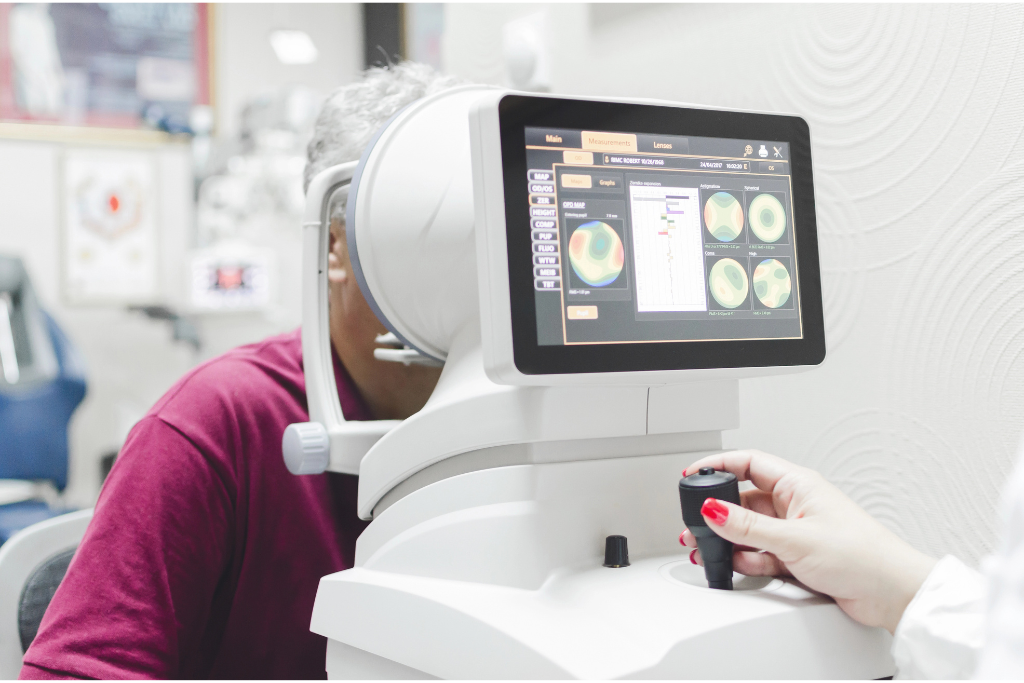
- Retina Imaging: Technologies, such as Optical Coherence Tomography (OCT) or digital photography, can map the structures at the back of the eye.
2. Am I at Risk for Age-Related Eye Diseases?
As we age, the risk of developing certain eye conditions increases. Discuss your personal risk factors with your doctor. The most common age-related eye conditions are:
- Cataracts: A clouding of the eye’s natural lens, which is almost inevitable with age.
- Glaucoma: Damage to the optic nerve, often associated with high eye pressure.
- Macular Degeneration (AMD): Deterioration of the central part of the retina, which controls sharp, detailed central vision.
Individuals with a family history of these diseases, those with diabetes, and people who smoke are generally considered at higher risk. Your doctor can assess your lifestyle and genetic background to provide a more personalized risk assessment.
Also Read: Cataract vs Glaucoma vs Macular Degeneration: Key Differences
3. How Often Should I Schedule Eye Exams Based on My Health and Family History?
The standard recommendation is an exam every one to two years, but your personal circumstances may warrant more frequent visits.
- Individuals with diabetes or hypertension often require annual or more frequent checks, as these systemic conditions significantly increase the chances of eye damage.
- Contact lens wearers need regular appointments to assess lens fit, check for infections, and monitor for signs of corneal damage.
- A family history of glaucoma or macular degeneration is a strong reason to stick to a physician’s suggested schedule.
4. Are My Current Symptoms Normal or a Sign of Something More Serious?
Don’t hold back when describing what you’re experiencing. Seemingly minor symptoms can sometimes signal a more serious underlying issue.
Be sure to mention:
- Flashes of light or new floaters, small spots or wispy strings in your vision.
- Persistent dryness, burning, or itchiness.
- Increased glare or difficulty seeing at night.
- Sudden or severe headaches accompanied by vision changes.
Sudden symptoms, especially shadowy or darker vision, require immediate evaluation.
5. What Are My Vision Correction Options Beyond Glasses and Contacts?
For many, glasses and contact lenses are the preferred form of correction, but surgical options may also be available.
- LASIK and PRK: These are types of refractive surgery that use a laser to reshape the cornea. They are popular choices for reducing or eliminating dependence on corrective lenses.
- Refractive Lens Exchange (RLE): In this procedure, the eye’s natural lens is replaced with an artificial lens, similar to cataract surgery.
6. How Is My Eye Health Affected by Digital Screens and LA’s Environmental Conditions?
LA’s environment and a screen-centric culture are known factors contributing to eye discomfort.
- Digital Screens: Extended screen use can lead to dry eyes because we blink less frequently and completely. This can cause Meibomian gland dysfunction, where the oil glands in the eyelids become blocked, leading to poor-quality tears.
- Environmental Factors: The bright sun, persistent air quality issues, and seasonal allergens can irritate the ocular surface. Los Angeles’ hot, dry, and sometimes windy weather can accelerate tear evaporation, exacerbating dry eye symptoms.
7. Are There Preventive Steps I Should Take to Protect My Vision Long Term?
Protection goes beyond a checkup. Ask about daily habits that support long-term eye health.
- UV Protection: Wearing sunglasses that block 100% of UVA and UVB rays is highly advised to protect against cataracts and retinal damage.
- Nutrition: A diet rich in antioxidants, especially those found in leafy green vegetables, and omega-3 fatty acids, is beneficial.
- Managing Chronic Conditions: Keeping conditions like diabetes and high blood pressure controlled is the most significant preventive step you can take to prevent associated vision damage.
8. If I Need Treatment, What Are the Benefits and Risks of Each Option?
If a condition is found, treatment may range from simple medications to in-office procedures or surgery. Make sure you get a full explanation of what each entails.
- Ask about the likelihood of success for each path.
- Inquire about potential side effects or complications.
- Discuss the recovery time, cost, and any long-term follow-up required.
Understanding your alternatives puts you in a better position to agree to a plan that fits your life.
9. How Can I Manage Dry Eye or Allergy Symptoms at Home?
For common but irritating issues like dryness and seasonal allergies, your doctor can suggest at-home relief.
- Dry Eye/Lid Hygiene: Warm compresses applied to the eyelids can help express the oil glands. Following up with lid scrubs can help keep the eyelid margins clean. Artificial tears are the first line of defense for hydration.
- Allergy Symptoms: Over-the-counter or prescription anti-allergy drops can provide relief.
10. What Should I Do If I Experience Sudden Vision Changes?
Knowing the red flags for an eye emergency is perhaps the most important question for any patient.
- Sudden vision loss, a dense curtain or shadow moving across your field of view, or new flashes and showers of floaters can signal an emergency like a retinal detachment or a blood vessel blockage.
- Immediate, same-day evaluation is necessary for these symptoms to preserve your vision.
Additional Tips for Los Angeles Patients
Given the city’s climate and activities, a few extra tips are worth noting:
- Outdoor Recreation: Always wear protective eyewear when engaging in sports or activities where debris or objects could fly into your eyes.
- Dryness in the Heat: When the Santa Ana winds blow or during heatwaves, use preservative-free artificial tears liberally to counteract the rapid evaporation of your natural tears.
- Seasonal Allergies: Be aware of local pollen counts and start using allergy drops before the peak season begins to minimize symptoms.
Also Read: Why Patients Choose Soroudi Advanced Lasik & Eye Centers for the Best LASIK in LA
Conclusion: Empowering LA Patients Through Better Questions
A visit to your ophthalmologist is an opportunity to actively safeguard your sight. By approaching your appointment with these 10 questions in hand, you encourage clear communication and get the detailed, personalized information you need. Asking the right questions is the key to managing your visual health.
Don’t wait until you have a problem. Take the time now to schedule your appointment with Soroudi Advanced LASIK & Eye Centers.