How the eye lens works

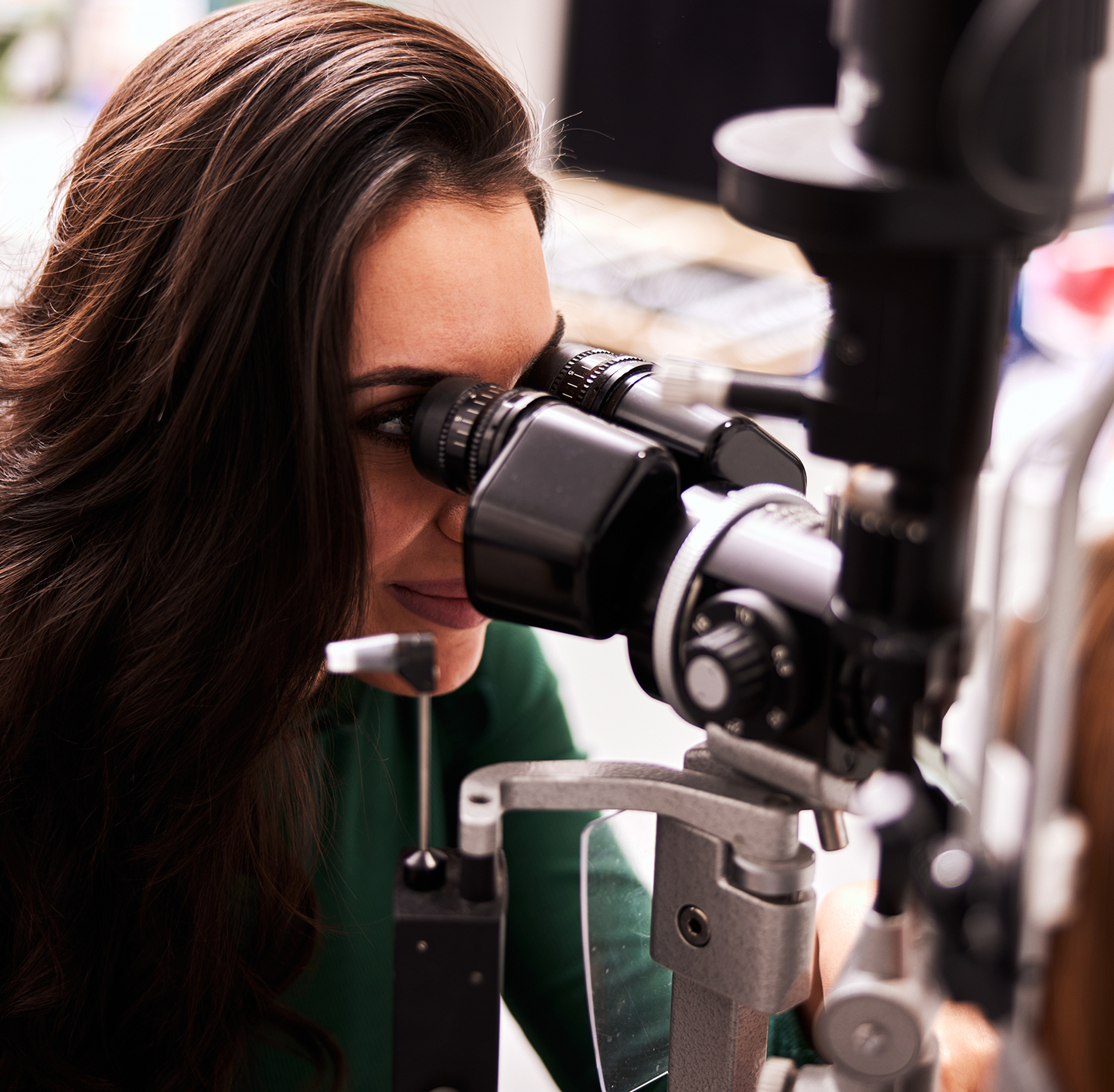
The eye’s lens focuses light entering the retina, a remarkable light-sensitive structure where images are created as the information travels through the optic nerve. When information passes through a thick, cloudy lens, the light is scattered, hindering your ability to see a clear image.

What causes cataracts?

Cataracts are prevalent and can be caused by several conditions:

  • Aging eyes
  • Diabetes
  • High blood pressure
  • Eye injuries
  • Eye inflammation
  • Prior eye surgery
  • Extreme sun exposure over time

Cataracts are the most common cause of blindness worldwide and the leading cause of vision loss. Modern medicine has found a way to cure cataracts: the natural eye lens can be replaced with a synthetic lens to restore clear and crisp vision in the long term. There is no other way to resolve cataracts because we can’t repair them naturally once the lens deteriorates.

The Different Types of Cataracts:

  • Nuclear cataracts develop in the center of the natural lens
  • Cortical cataracts develop on the sides of the eye lens, in streaks or a wedge shape, eventually spreading to the center of the lens
  • Posterior subcapsular cataracts develop on the back of the lens
  • Congenital cataracts worsen during childhood and may be associated with infection during gestation, or trauma

What Are the Symptoms of Cataracts?

Cataract symptoms can vary from person to person, but many patients experience:

  • Cloudy or blurred vision
  • Increased sensitivity to glare or bright lights
  • Difficulty seeing at night
  • Double vision (in one eye)
  • Distorted or “fish-eye” vision
  • Faded or yellowed colors
  • Frequent changes in eyeglass or contact lens prescriptions
  • Needing brighter light to read or perform close tasks

In early stages, these may be mild and hardly noticeable. Over time, cataracts generally worsen, interfering more with daily life.

Can you prevent cataracts?

By avoiding excessive sun exposure, such as wearing sunglasses with UV protection, it may be possible to slow the deterioration of the eye’s natural lens. However, many people develop cataracts over time, and the National Eye Institute reports that the risk of developing cataracts increases every decade, starting at forty. Sixty-one percent of women and thirty-nine percent of men will develop cataracts in their lifetime.

It is crucial that after forty, you have a regular eye examination. As the eye lens becomes thicker and cloudier with time, it can lead to eye inflammation and the risk of damaging the eye to the point of blindness.

Please don't hesitate to contact us regarding cataract surgery in Newport Beach.

The world’s best technology and lenses at Soroudi Advanced LASIK & Eye Centers

If you have developed cataracts, you have access to numerous advanced treatments. At Soroudi Advanced LASIK & Eye Centers in Newport Beach, we can replace the lens and correct your vision so you can live free from the need for glasses or contacts.

Your treatment experience will be fast, comfortable, and private. Our in-house surgical suite is equipped with the most advanced technology available worldwide, including:

  • The Ziemer Z8 Femtosecond Laser allows us to perform “all-laser,” bladeless lens replacement surgery with ultimate accuracy, precision, and improved safety. It can treat and resolve astigmatism in the same surgical appointment for improved visual outcomes.
  • The Zeiss IOL Master 700 and Wavetech ORA (Optiwave Refractive Analysis) allow Dr. Soroudi to perform highly accurate measurements to select the perfect lens. These technologies are the worldwide gold standard and top performers for ultimate accuracy.

  • Alcon Centurion and Johnson & Johnson Veritas Phacoemulsification Robots allow Dr. Soroudi to perform low-energy cataract and lens replacement surgeries with faster recovery and less corneal swelling. 
Background media

Our Custom Replacement Lenses

We offer our clients the best types of custom replacement lenses, including:

  • PanOptix® Trifocal Lens Multifocal implantable lenses that deliver a comprehensive range of vision (near, intermediate, and distance).
  • Eyhance Lens A specially developed monofocal lens with variable refractive power that treats both clouded lenses and vision problems.
  • Vivity Lens Lenses developed with X-wave technology to provide clear distance, intermediate, and “functional” close-up vision.
  • Synergy Lens — FDA-approved lenses (including toric versions) that improve vision at distance, close-up, and intermediate ranges while also correcting astigmatism.

Patient during LASIK consultation at Soroudi Advanced LASIK & Eye Centers Los Angeles

Choosing a trusted eye care professional

Clear, crisp vision improves all of life’s experiences, so if you are struggling with your vision, you want to ensure you are under the care of a true professional. Every medical team member at Soroudi Advanced LASIK & Eye Centers is 100% committed to providing clients with access to top-tier technology and innovative equipment. You deserve the best, such as a warm-hearted, talented, and dedicated team.

Logo media

Dr. Soroudi is among the most talented ophthalmologists in the nation and is considered one of the best eye surgeons internationally. His exceptional credentials, experience, and remarkable track record should reassure you that you are under the care of a brilliant doctor.

Dr. Soroudi caters to clients who fly from across the globe to have their eyes treated and clients living locally. His state-of-the-art eye center is where you can rest assured you will receive the best cataract surgery in Newport Beach.




Banner media

Frequently Asked Questions (FAQ)

Cataract surgery is a quick and precise procedure that typically takes 15 to 30 minutes per eye. Most patients can return home shortly after the surgery, as it’s performed on an outpatient basis at our in-house surgical suite.

To prevent increased eye pressure and promote proper healing, patients should avoid bending over for at least 24 to 48 hours after cataract surgery. Your doctor will give personalized instructions depending on your recovery progress.

If both eyes require surgery, procedures are usually scheduled one to three weeks apart. This allows the first eye to heal and ensures that your vision stabilizes before performing surgery on the second eye.

The cost of cataract surgery varies based on the technology used and the type of intraocular lens (IOL) you choose. Standard cataract surgery is often covered by insurance, while premium lens options, such as trifocal or toric lenses, may involve an additional fee. We offer financing options to make advanced cataract care more accessible.

The three main types of cataract surgery include:

  • Traditional cataract surgery, performed manually using precise instruments.
  • Laser-assisted cataract surgery, which uses advanced femtosecond lasers for increased accuracy.
  • Bladeless cataract surgery, a fully laser-based technique available at Soroudi Vision for exceptional precision and safety.

No, cataract surgery is virtually painless. Numbing eye drops are applied before the procedure, and most patients report feeling only mild pressure or light sensation. After surgery, minor discomfort or dryness may occur but typically resolves quickly.

Most patients notice improved vision within a few days, with full recovery typically achieved in four to six weeks. Your surgeon will schedule follow-up visits to monitor your healing and ensure optimal visual outcomes.

After surgery, you may experience mild blurriness, light sensitivity, or dryness, which gradually improves as your eye heals. Eye drops will be prescribed to prevent infection and control inflammation. Most patients resume normal activities within a few days.

Yes — cataract surgery not only removes the cloudy lens but also improves vision clarity. With the use of premium intraocular lenses (IOLs) such as PanOptix® Trifocal, TECNIS Synergy™, or Vivity™ EDOF lenses, many patients achieve reduced dependence on glasses for both near and distance vision.

Initial healing takes a few days, but complete stabilization and vision clarity usually occur within four to six weeks. During this period, following your surgeon’s aftercare instructions is key to ensuring the best long-term results.

Contact us media
Accessibility: If you are vision-impaired or have some other impairment covered by the Americans with Disabilities Act or a similar law, and you wish to discuss potential accommodations related to using this website, please contact our Accessibility Manager at (310) 474-2010.
Contact Us